
The CeraVe Benzene Lawsuits, Explained — And How to Choose a Stable Skincare Routine

Share
Last updated June 2026. This article is for general information only and is not medical or legal advice. It discusses publicly reported litigation and regulatory findings; the lawsuits described are unproven allegations.
If you've seen TikTok clips or headlines about "benzene in CeraVe" and you're staring at the acne wash on your bathroom shelf wondering whether to throw it out, take a breath. Here is a calm, sourced explanation of what has actually been alleged, what regulators have actually found, and how to think about a stable skincare routine — without the panic and without the hype.
What the CeraVe benzene lawsuits actually allege
In March 2024, an independent laboratory called Valisure filed a citizen petition with the U.S. Food and Drug Administration (FDA). It reported that products containing benzoyl peroxide (often shortened to "BPO"), a common acne active, could form benzene — a chemical classified as a human carcinogen — as the benzoyl peroxide degrades over time, particularly when exposed to heat.
Following that petition, a wave of class action lawsuits was filed against the makers of several acne brands, including CeraVe's parent company, L'Oréal. The complaints generally allege that certain benzoyl peroxide acne products — such as foaming acne cleansers — were not adequately labelled for a potential benzene risk. These cases are ongoing and the allegations have not been proven in court.
One important clarification, because the internet often blurs it: the concern is specifically about benzoyl peroxide acne treatments — not CeraVe's standard moisturisers, hydrating cleansers, or lotions, which do not contain benzoyl peroxide.
Did the FDA recall CeraVe?
No. This is the part that most viral posts get wrong.
After receiving the Valisure petition, the FDA carried out its own testing on 95 acne products containing benzoyl peroxide. It reported that the large majority had undetectable or very low benzene levels, and identified six specific products with elevated benzene that were voluntarily recalled at the retailer level in March 2025. CeraVe was not among those six products.
The six recalled products were:
- La Roche-Posay Effaclar Duo Dual Action Acne Treatment
- Walgreens Acne Control Cleanser
- Proactiv Emergency Blemish Relief Cream (Benzoyl Peroxide 5%)
- Proactiv Skin Smoothing Exfoliator
- SLMD Benzoyl Peroxide Acne Lotion
- Walgreens Tinted Acne Treatment Cream
The FDA also stated that, even with daily use over decades, the cancer risk associated with the benzene levels it found is very low, and that the recalls were aimed at retailers removing specific lots from shelves rather than asking consumers to discard products they already own. In short: the lawsuits reflect what one independent lab reported and what plaintiffs allege, while the FDA's own testing painted a more reassuring picture and did not flag CeraVe for recall.
Why can benzoyl peroxide turn into benzene?
Benzoyl peroxide is an effective, widely used acne active. The chemistry concern raised by researchers is one of stability: benzoyl peroxide is an inherently reactive molecule, and studies have indicated it can break down into small amounts of benzene over a product's shelf life. That breakdown appears to accelerate with heat — for example, a product left in a hot car or a steamy bathroom.
This is why skincare researchers increasingly talk about ingredient stability, not just ingredient lists. A formula is only as good as its ability to stay intact between the lab and your face.
What are some safe alternatives to benzoyl peroxide?
If you are searching for safe alternatives to benzoyl peroxide — whether because of the headlines, sensitivity, or simply preference — the encouraging news is that BPO is far from the only route to clearer-looking skin. Many people do well with a gentler, barrier-first approach that focuses on keeping the skin's protective layer calm and intact rather than aggressively stripping it. Ingredients people often explore instead of (or alongside) benzoyl peroxide include bakuchiol (a plant-derived alternative to retinol), niacinamide, azelaic acid, and supportive peptides. Anyone managing persistent or severe acne should speak with a dermatologist about what is right for them.
The SIRELA approach: barrier-first and benzoyl-peroxide-free
At SIRELA we take a deliberately minimalist, barrier-first view of skincare, and none of our products contain benzoyl peroxide. Our formulas are developed in Sweden and built around plant oils, peptides, and other well-tolerated actives. A few examples, with their hero ingredients:
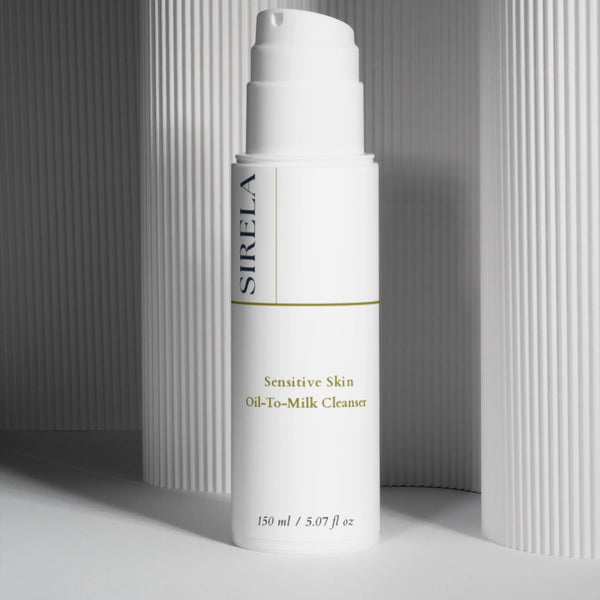
- Sensitive Skin Oil-to-Milk Cleanser — a sunflower-oil and sucrose-ester cleansing oil that melts away SPF and makeup, then rinses clean without leaving skin tight or stripped.
- Bio-Retinol Bakuchiol Oil Serum — built around bakuchiol, a plant-derived alternative to retinol, in a base of jojoba, rosehip, and evening primrose oils to help smooth the look of fine lines.
- Firming Peptide Face Serum — a peptide serum (with dipalmitoyl hydroxyproline and hexapeptide-11) plus hyaluronic acid for a firmer-looking, more comfortable complexion.
- Firming Renewal Cream — a richer moisturiser with bakuchiol, plant butters, and hyaluronic acid as a gentle alternative to retinol creams.
- Mineral SPF 50 Stick — a 100% mineral sunscreen using zinc oxide and titanium dioxide for easy daily protection.
Several of our products are certified to the ECOCERT / COSMOS organic standard and are vegan and cruelty-free. In the interest of full transparency, our formulas are lightly fragranced — you'll see parfum and naturally occurring fragrance components such as linalool, limonene, geraniol, and citronellol listed on the labels — so if you have a known fragrance sensitivity, patch-test first and choose what suits your skin.
We are not in the business of telling you that any competitor is "dangerous." We would rather earn your trust by being accurate: choose products you tolerate well, store them sensibly, and pay attention to stability and expiry dates.
Barrier-first & benzoyl-peroxide-free
Not sure where to start?
There's no rush, and no single product is a cure. If you'd like to explore a simple, gentle routine, this is where many readers begin — a cleanser, a treatment serum, and daily mineral SPF. Have a look and see what suits your skin.
How to store any acne product more safely
- Keep benzoyl peroxide and other actives somewhere cool and dry — not in a hot car or a sun-baked window.
- Check expiry dates and the period-after-opening symbol, and do not hold on to old, degrading products.
- If a product has changed colour or smell, replace it.
New here? Get the guide — and 30% off your first order
Ingredient lists are hard to read. Join our newsletter for plain-English ingredient explainers and gentle, no-hype routine tips — written to help you choose well, whatever brand you use. New subscribers get 30% off their first SIRELA order with code WELCOME30.
One use per customer. No spam, and you can unsubscribe anytime.
Frequently asked questions
Is CeraVe safe to use right now?
That is a personal decision best made with a healthcare professional, but for context: the FDA's own testing did not identify CeraVe among the products it asked to be recalled, and the agency described the overall cancer risk from the benzene levels it found as very low. The lawsuits involving CeraVe's benzoyl peroxide products are based on independent third-party testing and remain unproven allegations.
Which CeraVe products are involved in the lawsuits?
The litigation concerns CeraVe's benzoyl peroxide acne products (for example, foaming acne cleansers), not its standard moisturisers or hydrating cleansers, which do not contain benzoyl peroxide.
Was CeraVe moisturiser recalled for benzene?
No. The benzene discussion relates to benzoyl peroxide acne products, and CeraVe moisturisers do not contain benzoyl peroxide. No CeraVe product was among the six acne products voluntarily recalled after FDA testing.
Does benzoyl peroxide always turn into benzene?
Not necessarily. Research indicates benzoyl peroxide can degrade into benzene, and that heat speeds this up, but the amount varies by product and storage conditions, and the FDA found low or undetectable levels in most products it tested.
Disclaimer: This article is for general informational purposes only and is not medical, dermatological, or legal advice. It summarises publicly reported information as of June 2026 about litigation and regulatory testing; the lawsuits referenced are unproven allegations, and nothing here should be read as a statement that any company acted unlawfully or that any product is unsafe. "CeraVe," "La Roche-Posay," "Proactiv," and other brand names are trademarks of their respective owners; SIRELA is not affiliated with, endorsed by, or sponsored by them, and references are for commentary and comparison only. Skincare results vary; consult a qualified professional for advice about your skin.
 Shop Now
Sensitive Skin Oil-To-Milk Cleanser
340.00 kr Shop Now
Firming Peptide Face Serum for Mature Skin
865.00 kr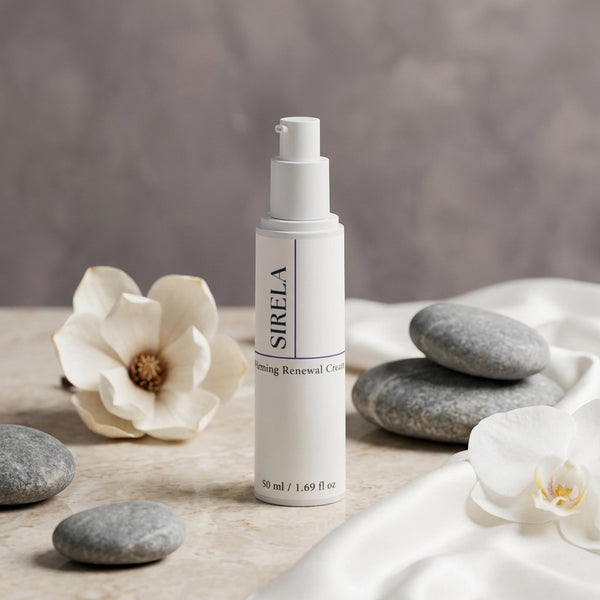 Shop Now
Firming Renewal Cream
768.00 kr