Barrier Intelligence: How to Heal a Damaged Skin Barrier Fast

Barrier Intelligence: How to Heal a Damaged Skin Barrier Fast
If your skin is suddenly sensitive, breaking out more than usual, or reacting to products it used to love, your skin barrier might be calling for help. The good news? Skin barrier repair is possible, and it doesn't require an overhaul of your entire routine. It requires understanding what's actually happening beneath the surface.
Let's break it down.
What Is the Skin Barrier — And Why Does It Matter?
Your skin barrier, scientifically known as the stratum corneum, is the outermost layer of your skin. Think of it like a brick wall: skin cells (corneocytes) are the bricks, and a carefully balanced mix of lipids, ceramides, fatty acids, and cholesterol is the mortar holding everything together.
This lipid matrix does two critical jobs:
- Keeps moisture in — preventing transepidermal water loss (TEWL), which is the passive evaporation of water through the skin.
- Keeps irritants out — blocking environmental aggressors, allergens, bacteria, and pollutants from penetrating deeper layers.
When the lipid matrix is disrupted, TEWL increases, the microbiome is thrown off balance, and the cascade of symptoms you're probably already experiencing begins.

"The stratum corneum acts as a two-way selective barrier — essential for skin hydration and protection against environmental damage."
— Elias PM, Journal of Investigative Dermatology, 2004
Compromised Skin Barrier Signs: How to Know If Yours Is Damaged
Not all skin issues point to a damaged barrier, but these signs are classic red flags:
- 🔴 Sudden sensitivity to products you've used before
- 💧 Tightness or dehydration even after moisturizing
- 🔥 Burning, stinging, or itching, especially after cleansing
- 🩹 Redness and inflammation without a clear cause
- 🪲 Breakouts in unusual places, possibly with a rough or flaky texture
- 🌡️ Skin that feels raw to the touch
Sound familiar? These symptoms suggest that your skin's natural defenses are compromised and that skincare inflammation is actively underway.
What Causes a Damaged Skin Barrier?
The stratum corneum is resilient, but it's not indestructible. Common culprits include:
Over-Exfoliation
AHAs, BHAs, and physical scrubs are valuable tools, but too much strips away the lipid layer faster than it can regenerate. This is one of the most common causes of a compromised barrier.
Harsh Cleansers
Surfactants in foaming cleansers, particularly sodium lauryl sulfate (SLS), can disrupt the skin's natural pH and degrade the lipid matrix.
Overuse of Active Ingredients
Retinol, vitamin C, benzoyl peroxide, and other powerful actives that, when overused or layered incorrectly, can rapidly compromise barrier integrity.
Environmental Stressors
UV exposure, dry air, wind, and pollution all increase TEWL and deplete the lipids that hold your barrier together.
Skin Conditions
Eczema, psoriasis, and rosacea are all associated with inherently weakened barrier function, often linked to a disrupted skin microbiome balance.

"Disruption of the epidermal barrier function is now recognized as a primary initiating event in atopic dermatitis and other inflammatory skin conditions."
— Proksch E et al., Skin Pharmacology and Physiology, 2008
How to Heal a Damaged Skin Barrier Fast: The SIRELA Protocol
There's no magic overnight fix, but with the right approach, most people notice meaningful improvement within 2–4 weeks. Here's what actually works:
Step 1: Strip Back Your Routine (Embrace Skinimalism)
Less is more when your barrier is compromised. Every additional product is a potential irritant. Adopt a skinimalism approach: reduce your routine to the absolute essentials.
Your only three priorities right now:
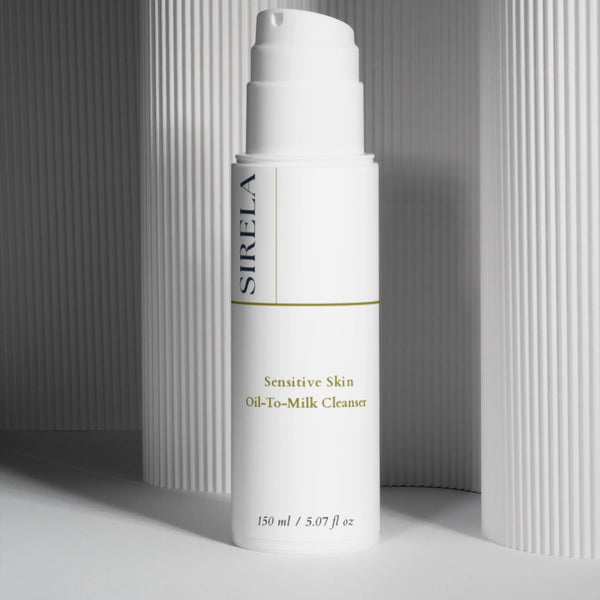
- A gentle, pH-balanced cleanser (no sulfates, no fragrance)
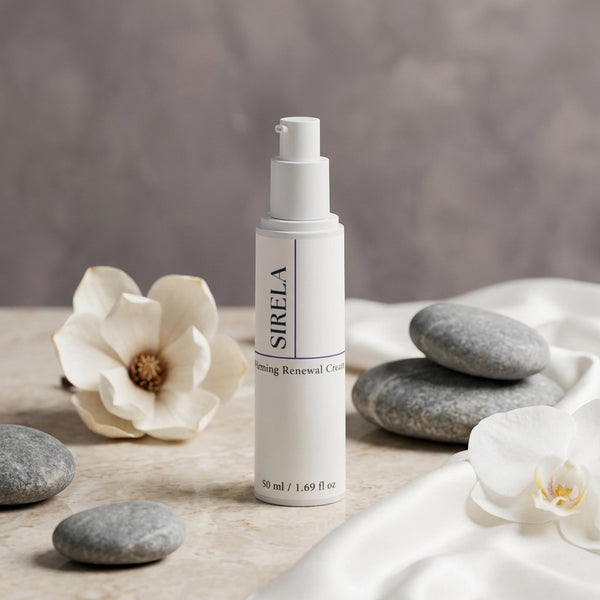
- A barrier-repairing moisturizer rich in ceramides and fatty acids
- A broad-spectrum SPF during the day
Pause your actives. Pause your exfoliants. Give your skin space to breathe and recover.
Step 2: Prioritize Lipid Matrix Restoration
The key to skin barrier repair is restoring the lipids your barrier has lost. Look for products that contain:
- Ceramides (NP, AP, EOP) are the most critical components of the stratum corneum's lipid layer
- Cholesterol essential for lipid membrane fluidity and barrier integrity
- Linoleic acid & other fatty acids help rebuild the intercellular lipid matrix
- Squalane a skin-identical emollient that mimics your skin's natural oils
- Shea butter & jojoba oil occlusive-emollient hybrids that reduce TEWL while nourishing the barrier
"Topical application of ceramide-dominant emollients has been shown to normalize barrier function and reduce transepidermal water loss."
— Vávrová K et al., Current Pharmaceutical Design, 2017
Step 3: Lock in Moisture — The Right Way

A damaged barrier can't hold onto hydration effectively. Layer your moisture products strategically:
- Humectant (e.g. hyaluronic acid, glycerin) — draws water into the skin
- Emollient (e.g. ceramide cream, squalane) — softens and smooths
- Occlusive (e.g. petrolatum, shea butter) — seals everything in and dramatically reduces TEWL
This three-step layering approach is especially important in dry or cold climates.
Step 4: Support Your Skin Microbiome
Your skin hosts trillions of bacteria, fungi, and other microorganisms collectively known as the skin microbiome. A healthy microbiome is key to stratum corneum health, as it actively supports barrier function and regulates inflammation.
To support it:
- Avoid antibacterial cleansers unless medically necessary
- Look for prebiotic and postbiotic skincare ingredients
- Don't use alcohol-heavy toners or astringents
"The skin microbiome plays a critical role in the maturation and maintenance of the skin barrier — dysbiosis is associated with increased inflammation and TEWL."
— Byrd AL et al., Nature Reviews Microbiology, 2018
Step 5: Be Patient and Protect
Your skin regenerates on a roughly 28-day cycle. Real barrier repair takes time. Protect what you've rebuilt:
- Wear SPF every day (UV damage is one of the fastest ways to undo barrier repair)
- Avoid long, hot showers
- Use a humidifier in dry environments
- Stay hydrated — inside and out

FAQ: Your Skin Barrier Questions Answered
How long does it take to fix a damaged skin barrier?
Most people see noticeable improvement in 2–4 weeks with a simplified, barrier-focused routine. Severely compromised barriers (from conditions like eczema or chronic over-exfoliation) may take 6–8 weeks or longer. Consistency is everything.
Can niacinamide irritate a broken skin barrier?
Generally, no niacinamide is one of the few actives that is well-tolerated even on a compromised barrier. It helps reduce inflammation, strengthen ceramide production, and regulate sebum. However, very high concentrations (above 10%) may cause flushing in sensitive individuals. Stick to 4–5% formulations while healing.
What ingredients to avoid when the skin barrier is damaged?
When your barrier is compromised, pause or avoid:
- AHAs/BHAs (glycolic, salicylic acid) — too exfoliating
- High-concentration vitamin C can be oxidizing and irritating
- Fragrance and essential oils — common sensitizers
- Alcohol-based toners — disrupt lipid layer
- Physical scrubs — mechanically damage already-fragile skin
- Benzoyl peroxide at high percentages — drying and inflammatory
Should I stop using retinol if my face is burning?
Yes — pause it immediately. Burning is a signal that your barrier cannot currently tolerate retinol's cell-turnover acceleration. Retinol increases TEWL and skin sensitivity; using it on an already-damaged barrier compounds the problem. Once your barrier has fully healed (4–6 weeks), you can reintroduce retinol slowly, starting once a week, with a buffer moisturizer applied first.
The SIRELA Philosophy: Intelligence Over Intensity
At SIRELA, we believe that effective skincare isn't about loading your skin with the most powerful actives; it's about working with your skin's natural intelligence. The barrier is not an obstacle. It's your skin's most sophisticated defense system.
When it's healthy, everything works better: your actives penetrate more effectively, your moisturizers hold longer, and your skin's natural radiance shines through without effort.
Skin barrier repair is not a trend. It's the foundation of every good skincare routine, and it starts with listening to what your skin is telling you.
Sources & Further Reading
- Elias PM. "The skin barrier as an innate immune element." Seminars in Immunopathology, 2007. PubMed
- Proksch E, Brandner JM, Jensen JM. "The skin: an indispensable barrier." Experimental Dermatology, 2008. PubMed
- Vávrová K et al. "Ceramide-based skin barrier repair." Current Pharmaceutical Design, 2017. PubMed
- Byrd AL, Belkaid Y, Segre JA. "The human skin microbiome." Nature Reviews Microbiology, 2018. Nature
- Loden M. "Role of topical emollients and moisturizers in the treatment of dry skin barrier disorders." American Journal of Clinical Dermatology, 2003.